How Hot Summers Affect Steel Gate Hardware
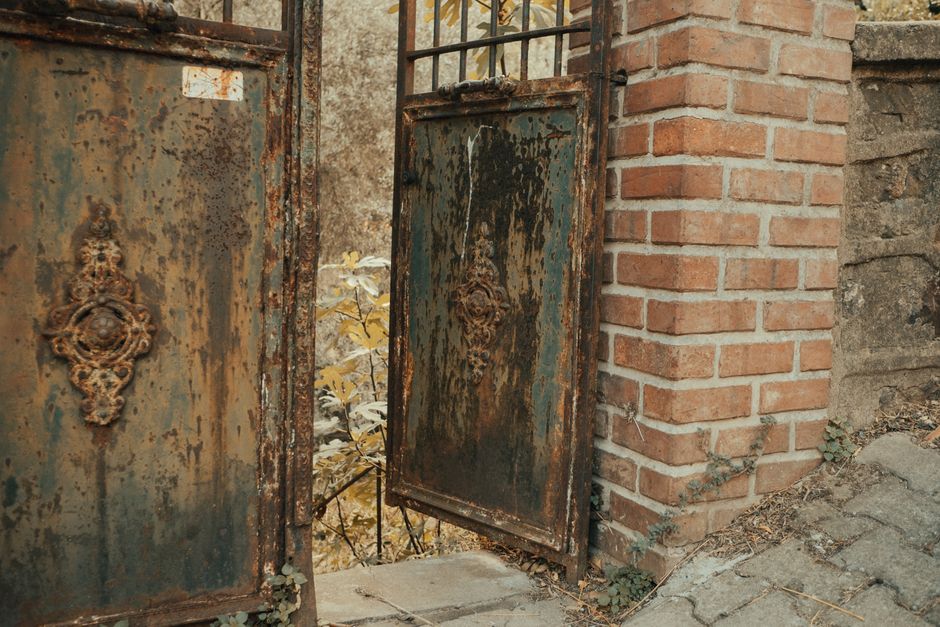
A gate hung in April and the same gate in August are two different sizes, though nobody sees the difference without a tape. Austin, TX has long hot summers, with highs of 90F or more on over 120 days a year, and the repair calls logged by metal gates austin tx nap nanny bunch up between June and September. The metal moves, and the hardware pays for it.
Steel grows and shrinks
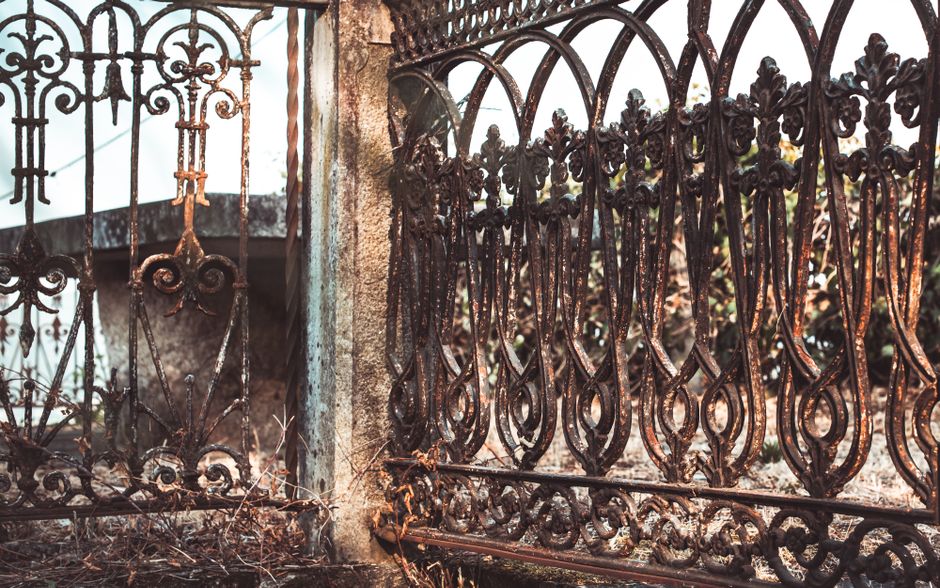
A steel frame ten feet long gains a fraction of an inch between a cool morning and a hot afternoon. That is small, but a latch with a tight strike has no room for it. The bar binds in the afternoon and frees up again at night, which is why a gate that sticks only in the heat is rarely a hinge problem.
Latch alignment shifts

A post and a gate expand differently, so the gap at the latch side opens and closes through the season. A strike plate that was perfect in March can sit a hair high in July. Slotted strike plates and adjustable keepers give the bar somewhere to go. Crews set the strike with the gate at its middle temperature and leave a little play both ways.
Hinge wear
Heat thins grease and speeds up wear on pins and bearings. A hinge that is dry looks fine until the pin starts to chatter. Austin dust packs into a hot, dry barrel and turns into grinding paste. A drop of grease at the start of summer lengthens hinge life more than any new part will.
Powder coat and paint on hardware
Powder coat holds up to Texas sun better than brush paint, but it can chalk and fade on south and west faces. Where a latch rubs bare metal, the coat wears through and rust follows. Galvanized hardware resists that, though a scratch through the zinc on a steel tube needs a touch-up coat before the first rain.
Solar operators and batteries
A gate with a solar panel and battery backup runs hot on a south wall. Batteries lose life in a closed box in direct sun, so the box goes on the shaded side where it can. The operator and actuator also draw more current when the gate drags, and a gate that binds from heat shows up as a dead battery before it shows up as a stuck gate.
The rare freeze
Austin gets a freeze roughly every two years. Water trapped inside a steel tube without a drain hole expands and can split a seam or crack a weld. A small drain hole at the bottom of each hollow post and rail lets that water out, and it also lets condensation escape through the humid months.